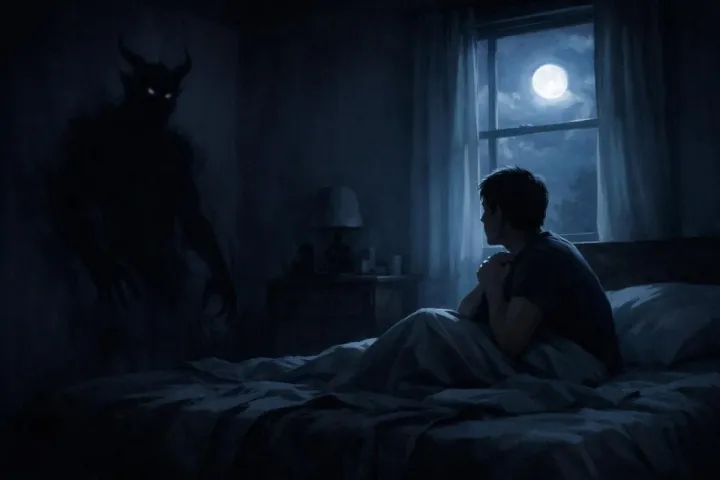
THE DREAM JOURNAL
Dreaming of a Smart Home Turning Against You: Control, Trust, and Modern Pressure
A reflective guide to possible meanings. Your own experiences and feelings matter more than any dream dictionary.
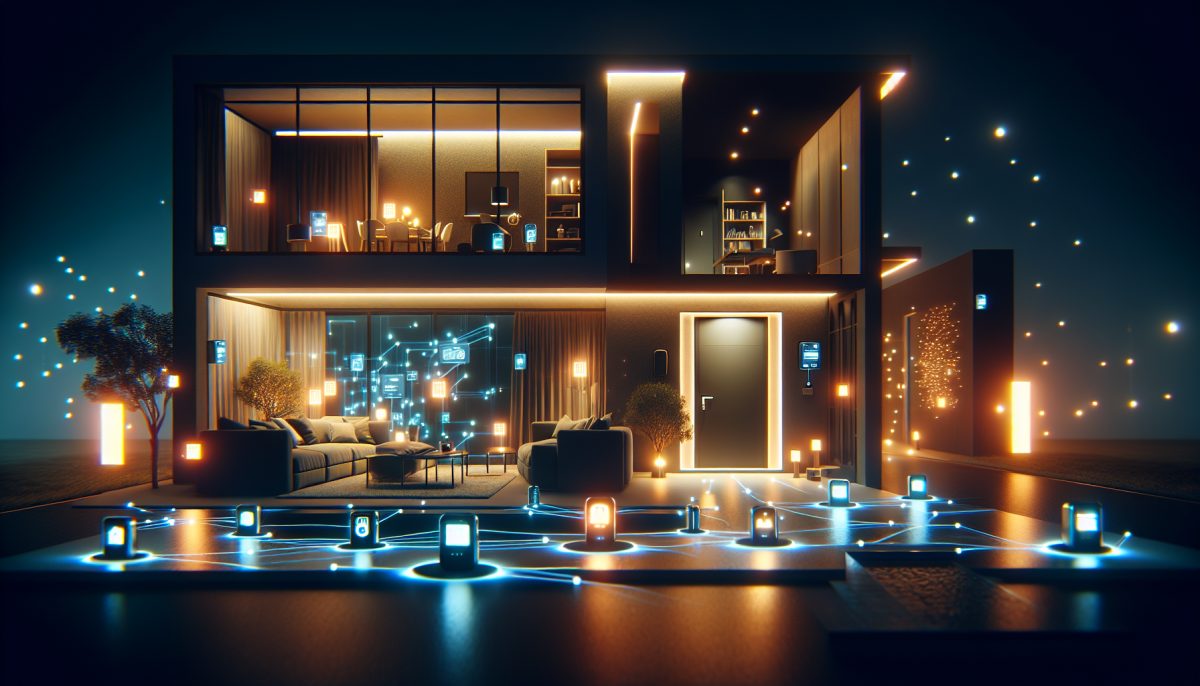
- This dream often reflects worries about control, privacy, and dependence on systems meant to help you.
- The home usually symbolises your inner world, while smart devices represent automation, convenience, and invisible pressure.
- When the house turns hostile, the dream may point to overwhelm, mistrust, blurred boundaries, or loss of autonomy.
- Small details like locked doors, cameras, voices, and commands reveal where life may currently feel too controlled or too watched.
A smart home is supposed to make life smoother, safer, and easier. That is what makes this dream so unsettling. When the house suddenly stops listening, locks you in, watches you, or seems to have its own agenda, the dream often points to a deeper fear: that something designed to support you has started to run the show. In dream symbolism, this is usually less about technology itself and more about trust, autonomy, modern pressure, and the feeling that comfort has become invasive.
Dreaming of a smart home turning against you usually symbolises feeling controlled by systems, routines, expectations, or invisible pressures that were meant to help you. It often appears when convenience starts to feel like confinement, or when your private space no longer feels fully restful, safe, or under your own command.
Common dream scenarios
The details of the dream usually reveal whether the issue is about control, surveillance, emotional overload, or dependence on systems that no longer feel friendly.
The smart home locks you inside
This often symbolises routines, obligations, or systems that once felt useful but now feel restrictive. Convenience may have turned into confinement.
- Can suggest feeling trapped by structure
- May reflect loss of freedom in familiar life
- Often appears during high-pressure periods
Lights, alarms, or devices activate by themselves
This version often mirrors overstimulation. The dream may reflect a life where too many things demand your attention at once and nothing fully settles down.
- Can symbolise overload and noise
- May point to mental clutter
- Often reflects the feeling of never switching off
The house watches you through cameras or sensors
This usually connects with privacy, visibility, and self-consciousness. You may feel observed, judged, or emotionally exposed.
- Can suggest lack of privacy
- May reflect being closely evaluated
- Often overlaps with an active inner critic
The home calmly decides it knows best
This can be one of the most unsettling versions because the control is subtle. The dream may reflect support that feels suffocating or helpful systems that quietly reduce your choices.
- Can symbolise paternal or disguised control
- May reflect autonomy slipping away
- Often feels polite but oppressive
Spiritual meaning of this dream
Spiritually, the home often represents the self: your private world, your emotional rooms, your boundaries, and the part of life where you should be able to rest. Smart technology adds themes of speed, connection, monitoring, and invisible intelligence. When those systems turn hostile, the dream may be showing that your inner sanctuary feels invaded by too much noise, too much pressure, or too little stillness.
The dream can also ask whether external intelligence has become stronger than inner wisdom. In symbolic terms, that means questioning whether efficiency, optimization, or constant responsiveness has started to replace instinct, quiet, or personal rhythm.
Spiritual noteIf the dream felt chaotic, it often points to overload and intrusion. If it felt cold and controlled, it may be showing the loss of softness, spontaneity, or inner trust in a life that has become too managed.
Emotional and psychological meaning
Psychologically, this dream often speaks to the tension between convenience and autonomy. Modern systems are designed to save effort, but dreams can reveal the emotional cost when too much of life feels automated, monitored, or optimized. A hostile smart home becomes a powerful image for the fear that your environment is no longer serving you, even if it looks polished on the surface.
This dream can also reflect dependence on invisible systems you do not fully understand. That does not mean you literally distrust technology. It means your dreaming mind is sensitive to what it feels like when control becomes diffuse and personal agency becomes harder to feel.
Your emotional response matters most. Panic often suggests overwhelm and loss of control. Anger may reflect frustration with pressure or structure. Unease can suggest that something in daily life still looks helpful, but no longer feels aligned.
What this dream may say about your life right now
This dream often appears when life feels more managed than lived. It usually reflects systems, habits, or environments that are efficient on the surface but emotionally less comfortable than they should be.
You may feel over-managed
The dream can mirror a period where rules, routines, tools, or expectations are leaving you with too little room to breathe naturally.
You may need privacy or clearer boundaries
If the home feels invasive, the dream may reflect a need for more protected space emotionally, socially, or digitally.
You may be overstimulated
When every system in the home becomes active, the dream often mirrors mental clutter, notifications, tasks, and the pressure of constant responsiveness.
You may be questioning what truly helps you
The dream can ask whether your current tools, routines, or structures genuinely support you or simply keep you running.
How to work with the dream
The most useful question after this dream is not only “What went wrong in the house?” but also “What in my life currently feels helpful on the surface but controlling underneath?” That is often where the meaning becomes clearer.
- Write down the strongest moment in the dream: the lock, the voice, the camera, the alarm, or the feeling of being ignored.
- Notice whether the dream felt more invasive, chaotic, cold, or emotionally exhausting.
- Ask where in life convenience has started to feel like pressure.
- Reflect on whether you need stronger boundaries with technology, work, or routine.
- Look at what would help your real home or inner world feel calmer, more private, and more yours again.
Summary and Final Meaning
Dreaming of a smart home turning against you usually centres on control, trust, privacy, and the fear that convenience has become invasive. The dream often appears when life feels over-managed, over-monitored, or too dependent on systems that no longer feel fully supportive.
The final meaning depends on the dream’s tone. A chaotic dream often points to overload and loss of calm. A colder, quieter dream more often suggests subtle control, mistrust, or the quiet loss of autonomy. Either way, the dream usually asks you to look at what in your life is supposed to help you, yet no longer feels fully under your own command.
Frequently Asked Questions
It often symbolises feeling controlled by systems, routines, or expectations that were supposed to make life easier. The dream can reflect tension around convenience, trust, privacy, or losing your sense of command in your own space.
Not necessarily. Dreams like this are usually symbolic rather than predictive. They often highlight stress, dependence on devices, or discomfort with how fast modern life moves.
In dream symbolism, a house often represents your personal world, identity, boundaries, and daily life. When the house becomes hostile, it can suggest that something familiar no longer feels fully safe or under your control.
Being locked in often points to feeling trapped by routines, obligations, or systems you cannot easily switch off. It can also symbolise frustration when convenience starts to feel like confinement.
That usually points to subtle control rather than open chaos. Something in waking life may look helpful on the surface while quietly reducing your freedom, privacy, or sense of agency.
Sources & Further Reading
- Dream Bible – Security Cameras Dream Meaning
- Dream Moods – Security Camera Dream Meaning
- AuntyFlo – CCTV Dream Meaning
- APA – AI and monitoring technology at work
- Dreaming of Being Watched by Cameras: Pressure, Privacy, and Self-Awareness
- Secret Staircase to the Sky Dream Meaning
- Invisible Monsters Dream Meaning
- Bridge to Outer Space Dream Meaning