Trapped in Childhood Home Dream Meaning: The Past, Family, and Feeling Stuck
- Dreams about being trapped in a childhood home usually reflect unfinished emotions, old family roles, or parts of the past that still influence you.
- The childhood home often symbolises your emotional foundations, early conditioning, memory, and sense of security.
- Feeling unable to leave often points to stuckness, guilt, nostalgia, fear of change, or a repeating pattern you have not fully outgrown.
- Specific rooms, family members, or blocked exits can show which memories, pressures, or emotional themes need attention.
- This dream usually invites reflection, boundaries, healing, and a freer relationship with your past rather than literal fear.
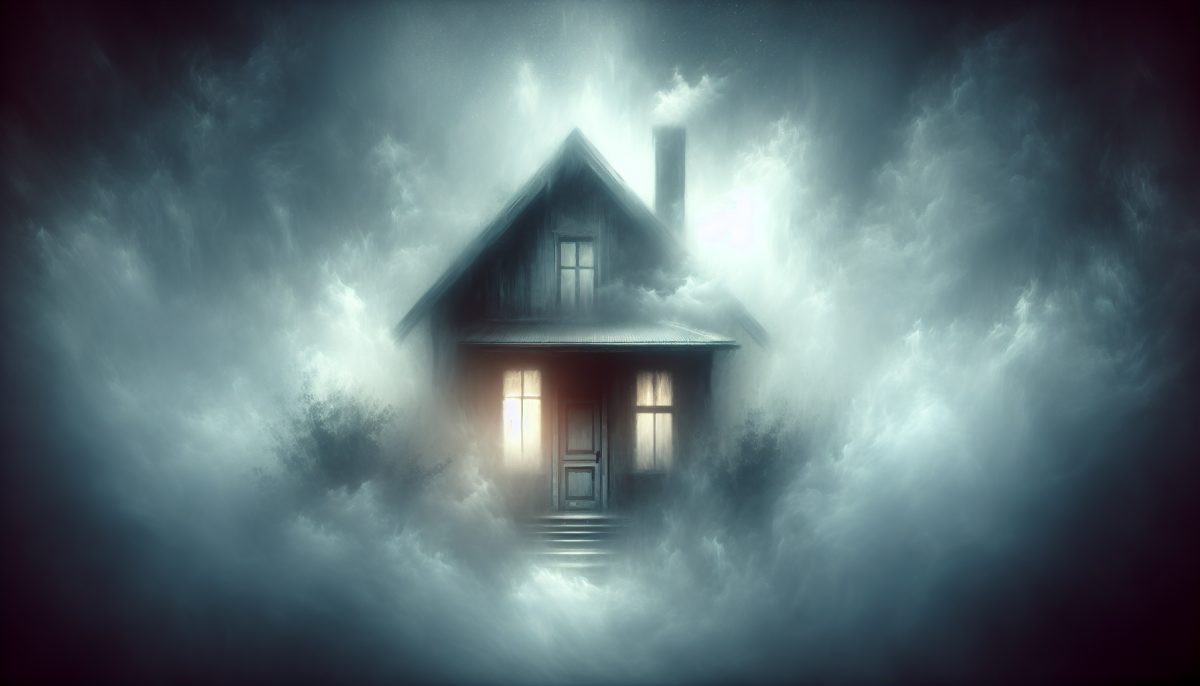
Dreaming that you are trapped in your childhood home can feel deeply personal because this setting carries more emotional weight than an ordinary house. Childhood homes often hold memories of comfort, stress, family roles, old fears, and the emotional rules you learned early in life. When the dream turns that familiar place into a trap, it often suggests that something from the past still has a hold on you in the present.
Dreaming of being trapped in your childhood home usually means part of you still feels caught inside an older emotional pattern, family role, or unfinished memory. The dream often appears when current life stress is activating feelings, responsibilities, or identity themes rooted in the past.
Common dream scenarios
The details of the house and the kind of trap matter. Whether you feel fear, shame, nostalgia, grief, or urgency helps show whether the dream is about family pressure, identity, unfinished memories, or the difficulty of moving forward.
You cannot find the front door
This often reflects confusion about how to move on from an old chapter. Part of you may know you need change, but another part still feels tied to what is familiar.
You keep returning to the same room
A repeated bedroom, hallway, kitchen, attic, or basement usually points to a specific memory, age, or emotional theme that still has weight in your inner life.
Your family members are inside the house
This can highlight unresolved dynamics, loyalty patterns, guilt, or the role you learned to play around certain people when you were younger.
The house feels smaller or darker than it used to
This often mirrors the feeling that an old identity, old environment, or old way of coping no longer fits who you are now.
You are trying to escape but something blocks you
Blocked doors, jammed windows, or endless corridors usually symbolise emotional resistance, fear of upsetting others, or difficulty breaking an inherited pattern.
You finally leave the house
Escaping often points to growth, healing, or the beginning of emotional separation from an old story that has defined you for too long.
Spiritual meaning of this dream
Spiritually, a childhood home can symbolise your roots, inherited beliefs, ancestral patterns, and the earliest version of your self. Being trapped there may suggest that your inner life is asking you to revisit something foundational before you can step more fully into the next stage of growth.
In that sense, the dream is not only about being stuck. It may also be about recovering wisdom from the past without staying imprisoned by it. Sometimes the dream appears when you are shedding an old identity, questioning family conditioning, or trying to separate love from obligation.
Ask yourself whether the dream felt more like a punishment, a memory, or a return. That emotional difference often reveals whether the message is about fear, healing, or reconnecting with something important that was left behind.
Emotional and psychological meaning
Psychologically, this dream often points to the part of you that still reacts from an earlier emotional environment. That does not always mean trauma. It can also mean habit, role, pressure, or the old belief that you must stay small, responsible, quiet, helpful, or emotionally available in order to feel safe or accepted.
The house itself often represents the self. When it becomes a trap, the dream can reflect the feeling that your present choices are still being shaped by past conditioning rather than present freedom.
Old family roles are reactivating
You may be slipping back into a version of yourself that feels familiar but limiting, especially during stress or conflict.
Nostalgia is mixed with discomfort
The dream can show that you miss the past in some ways while also recognising that it carried pain, restriction, or unmet needs.
You are feeling emotionally cornered
Being trapped in the house may mirror a waking-life situation where you feel there is no easy exit without guilt or emotional cost.
A memory or pattern needs attention
The dream may be bringing unfinished emotional material back into awareness so it can finally be understood and released.
What this dream may say about your life right now
You feel pulled back into an old identity
A current relationship, family situation, or stressful transition may be making you feel younger, smaller, or less free than you really are.
You are repeating a familiar pattern
The dream may be highlighting a cycle that feels normal because it is old, even though it no longer supports your wellbeing.
You need firmer emotional boundaries
Being unable to leave the house can symbolise difficulty separating your needs from family expectations, guilt, or loyalty.
You are ready for more freedom
Sometimes the dream appears just before change, when part of you is finally ready to leave an outdated inner room behind.
Where in my current life do I still feel like I must react from an old family script instead of from who I am now?
How to work with the dream
Write down the exact room
A bedroom, attic, basement, kitchen, or hallway often points to a different emotional theme. The room usually gives the strongest clue.
Name the old role that appears
Ask whether the dream brings back the peacemaker, caretaker, rebel, achiever, quiet child, or another version of yourself.
Look for the present trigger
This dream often arrives when something current is pressing on an older wound, habit, or expectation that has not fully been examined.
Choose one freeing action
A boundary, a conversation, a journal entry, or even naming the pattern out loud can begin to loosen the sense of inner confinement.
This guide is for reflection and general dream education only. It is not medical, psychological, or crisis advice.
Summary and Final Meaning
A trapped in childhood home dream usually symbolises the feeling that some part of your emotional life is still living inside an older environment. That environment may involve memory, family roles, unresolved feelings, nostalgia, or beliefs about who you must be in order to belong.
Most often, this dream is not a literal warning. It is a symbolic invitation to notice what still feels unfinished, what still keeps you small, and what would help you step forward with more freedom. Once you see what the house represents for you, the dream becomes less about fear and more about healing.
Frequently Asked Questions
It usually points to unresolved emotions, family patterns, nostalgia, or the feeling that part of you is still emotionally stuck in the past.
No. Sometimes it reflects comfort, familiarity, or an old role you fall back into during stress rather than deep trauma.
A bedroom, kitchen, hallway, attic, or basement can point to a specific memory, age, emotional pattern, or family dynamic connected with that part of the house.
Yes. It can symbolise returning to your roots, revisiting inherited stories, and releasing an old identity so you can move forward with more awareness.
Write down the rooms, people, and emotions that appeared. Those details usually reveal what unfinished pattern or old emotional environment the dream is highlighting.