THE DREAM JOURNAL
Dream of Moving Mannequins Meaning: Identity, Pressure, and Unease
A reflective guide to possible meanings. Your own experiences and feelings matter more than any dream dictionary.
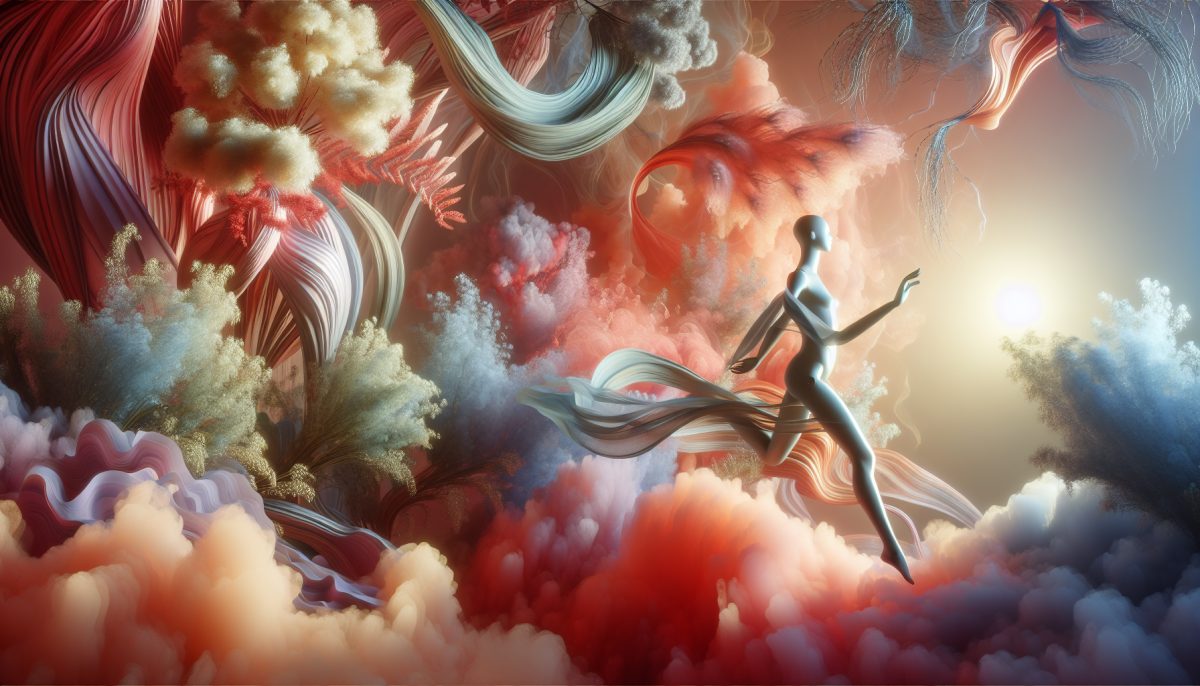
- Dreams of moving mannequins often symbolise identity pressure, social performance, emotional distance, and the unsettling feeling that something fake is becoming active.
- Because mannequins look human but are not alive, they can represent masks, roles, or relationships that feel hollow, controlled, or too polished.
- If the dream feels eerie, it usually reflects discomfort with judgment, conformity, falseness, or emotional numbness in waking life.
- If the mannequins change clothes, dance, or speak, the dream may also point to reinvention, hidden feelings, or a self that wants more freedom.
- This dream becomes clearer when you connect it to where you currently feel watched, shaped, compared, or unlike your real self.
Dreaming of moving mannequins can feel unnerving because the image sits between lifelike and lifeless. In dream language, mannequins often symbolise image, performance, role-playing, emotional distance, and the pressure to appear a certain way. When they begin walking, staring, talking, or changing, the dream usually suggests that something artificial, suppressed, or tightly controlled in your life is becoming harder to ignore. This is often a dream about authenticity, self-image, social expectation, and inner discomfort.
Dreams of moving mannequins usually mean you are feeling pressure around identity, appearance, emotional distance, or social expectations. When the mannequin becomes active, the dream often shows that a role, mask, or uncomfortable truth in your life is starting to move out of the background and demand attention.
Common dream scenarios
The exact behaviour of the mannequins changes the message. Their movement, mood, setting, and how you react all help show whether the dream leans more toward insecurity, control, suppressed feeling, or transformation.
Mannequins walking
Walking mannequins often suggest that a static role, old image, or hidden discomfort is starting to move into awareness. Something you thought was under control no longer feels safely in the background.
Mannequins talking
A talking mannequin can point to unspoken feelings, forced politeness, or tension between your inner truth and the persona you show to other people.
Mannequins in a shop window
This often reflects judgment, comparison, and the pressure to fit a polished image. The dream may be showing where appearance matters more than emotional reality.
Mannequins dancing
This version can suggest suppressed self-expression. A rigid or emotionally flat part of you may want movement, creativity, or freedom again.
Mannequins changing clothes
Changing outfits often symbolises reinvention, identity experiments, or uncertainty about which version of yourself feels most true right now.
Mannequins staring at you
This commonly points to self-consciousness, social pressure, or the fear of being judged. It can also reflect discomfort with how others see you.
Spiritual meaning of this dream
Spiritually, mannequin dreams often highlight the difference between outer form and inner essence. They may appear when you have been adapting too much, people-pleasing, or shaping yourself around expectations that do not feel fully alive or true.
If the dream feels eerie, it may be warning against emotional emptiness, self-betrayal, or living too much through appearance alone. If it feels curious or playful, it can suggest that a new identity is forming, but still needs warmth, honesty, and real feeling to become whole.
This dream may be asking you to choose authenticity over performance and aliveness over image.
Emotional and psychological meaning
Psychologically, moving mannequin dreams often connect with self-image, social anxiety, dissociation, perfectionism, or the feeling that you are going through the motions. The mannequin symbol is powerful because it looks human while lacking natural warmth, which mirrors situations where life feels posed, controlled, or emotionally flattened.
The more uncanny the dream feels, the more likely it is that something in waking life feels false, over-managed, or disconnected from your real emotional state.
Persona and performance
You may be spending a lot of energy managing how you appear instead of how you actually feel.
Emotional numbness
The mannequin can reflect detachment, burnout, or a life rhythm that feels mechanical rather than alive.
Social judgment
The dream may rise when you feel watched, compared, criticised, or measured against outside standards.
Uncanny fear
When something lifeless moves in a dream, it often symbolises hidden tension coming closer to consciousness.
What this dream may say about your life right now
This dream often appears during identity pressure. You may be trying to fit a role, adjusting to a new environment, keeping up appearances, or feeling that your outer behaviour does not match your inner reality. In some cases, it shows up when life has become repetitive and emotionally flat, as though you are performing rather than living.
Going through the motions
The dream may reflect routine, emotional flatness, or a role that feels mechanical rather than meaningful.
Pressure to conform
You may feel shaped by other people’s expectations more than by your own deeper truth.
Reinvention
If the mannequins change clothes or move differently, a new identity may be trying to form.
Need for authenticity
The dream can be pushing you toward more honest self-expression and emotional presence.
How to work with the dream
The most useful way to understand this dream is to look at where image, performance, and feeling are out of balance in your waking life.
Track the emotion
Ask whether the mannequins felt frightening, fascinating, judgmental, or strangely familiar. The emotion points toward the real-life issue.
Notice the setting
A shop, home, stage, or empty room can show whether the dream relates to social image, private identity, or public performance.
Ask what feels performative
Look for places where you are showing a polished version of yourself that no longer feels warm, honest, or natural.
Look for the change trying to happen
If the mannequins spoke, danced, or changed appearance, the dream may be hinting at a freer version of you that wants expression.
This guide is for reflection and general dream interpretation only. It is not medical or mental health advice.
Summary and Final Meaning
A dream of moving mannequins usually points to the uneasy space between appearance and authenticity. It often appears when identity feels pressured, emotional life feels flat, or you sense that you are performing more than you are living. The dream asks you to notice where image has become more active than feeling.
At the same time, this symbol is not only negative. When mannequins move, change clothes, or even dance, the dream may also show that a frozen part of you is beginning to wake up. The deeper message is often to stop shaping yourself only for display and return to what feels warm, honest, and fully alive.
Frequently Asked Questions
It often symbolises identity pressure, emotional distance, social judgment, false appearances, or the sense that a role in your life feels too controlled.
Not necessarily. They are usually symbolic rather than predictive, though an eerie tone may reflect discomfort, pressure, or emotional disconnection.
It can point to unspoken feelings, the need for more honest communication, or conflict between your inner voice and outer persona.
Because mannequins sit in the uncanny space between lifelike and lifeless, which often mirrors emotional tension or falseness in waking life.
Yes. They often relate strongly to how you see yourself, how you think others see you, and whether you feel free to be authentic.