THE DREAM JOURNAL
Dream of Prison Meaning: Confinement, Guilt, and the Search for Freedom
A reflective guide to possible meanings. Your own experiences and feelings matter more than any dream dictionary.
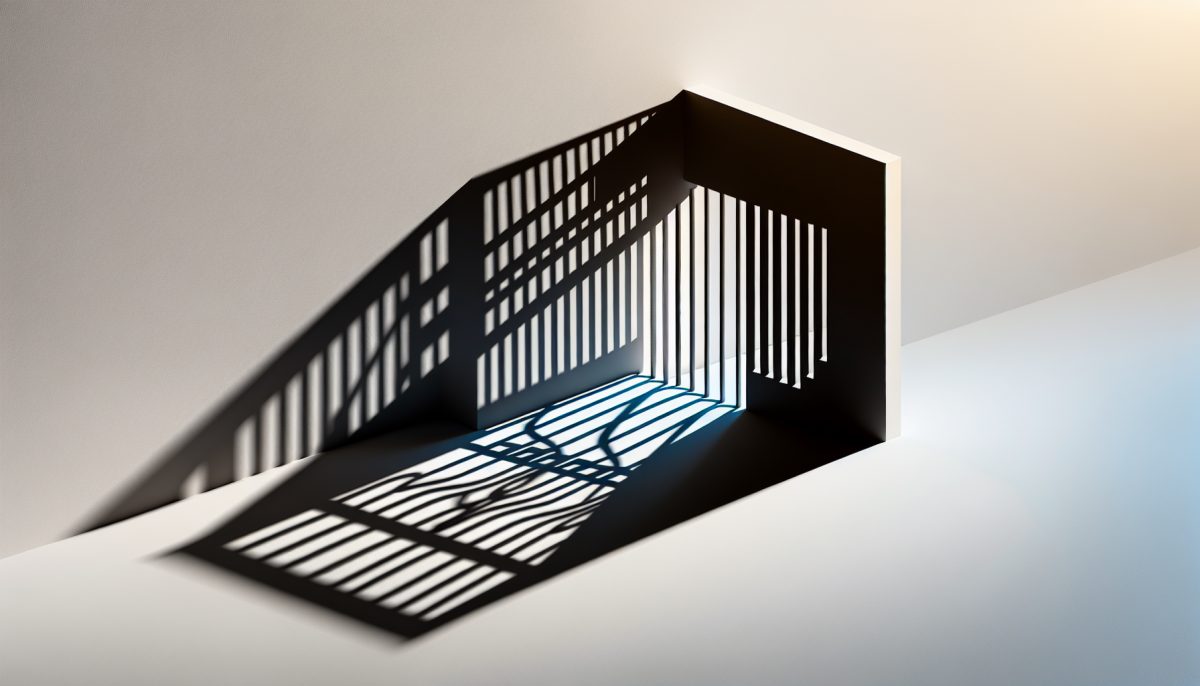
- Prison dreams often symbolise feeling trapped, emotionally restricted, or unable to move freely in some area of life.
- They can also reflect guilt, regret, fear of punishment, or the pressure of responsibilities that feel heavy.
- The meaning changes depending on whether you are inside the prison, visiting it, escaping it, or watching someone else confined.
- Spiritually, a prison may represent inner limitation, karmic lessons, or the need to release beliefs and habits that keep you stuck.
- These dreams often invite honest reflection about what is restricting your peace, freedom, or emotional growth.
A dream about prison can feel heavy, unsettling, and deeply personal. Prisons in dreams usually symbolise restriction, pressure, guilt, fear, or the sense that some part of your life is holding you back. Sometimes the dream reflects outside circumstances. Other times it points to an inner prison made of worry, shame, self-doubt, or old emotional patterns that have become difficult to escape.
Prison dreams usually symbolise restriction, emotional confinement, guilt, fear of punishment, or a longing for freedom. They often appear when you feel trapped in a situation, weighed down by regret, or unable to move forward as freely as you want.
Core Meaning of Prisons in Dreams
In dream symbolism, a prison often represents something that feels closed off, controlling, or difficult to escape. This can refer to a relationship, job, emotional pattern, belief, responsibility, or fear that makes you feel limited. The prison image may also reflect a part of you that feels judged, ashamed, or cut off from freedom and ease.
Not every prison dream is negative in the same way. Sometimes it reflects the consequences of avoidance or guilt. In other cases, it signals a period of introspection where your mind is forcing you to look closely at what has been buried, avoided, or suppressed.
Feeling Trapped
The dream may reflect a situation where you feel stuck, powerless, or unable to make the changes you want.
Guilt and Regret
Prison can symbolise the emotional weight of past choices that still feel unresolved inside you.
Fear of Judgment
The dream may highlight fear of punishment, criticism, or being misunderstood by others or by yourself.
Need for Release
Sometimes the prison image appears when you are ready to break old patterns and reclaim more freedom.
Common Prison Dream Scenarios
The meaning becomes clearer when you look at what actually happened in the dream. These six scenarios often reveal what the prison symbol is trying to show you.
Being Locked in Prison
This often reflects strong feelings of restriction, pressure, or helplessness in waking life.
- Feeling trapped
- Loss of control
- Emotional pressure
Trying to Escape Prison
This usually symbolises the desire to break free from a burden, fear, toxic pattern, or limiting situation.
- Need for freedom
- Resistance to limits
- Hope for change
Seeing Someone Else in Prison
This may reflect concern for another person or a part of yourself that feels silenced, judged, or contained.
- Concern and empathy
- Projection of inner conflict
- Relationship strain
Wrongfully Imprisoned
This version often points to feeling misunderstood, unfairly blamed, or emotionally boxed in by others’ opinions.
- Feeling judged unfairly
- Need to be heard
- Emotional injustice
Working in or Visiting a Prison
This can symbolise contact with heavy emotions, difficult environments, or a role where you help manage pain and limitation.
- Emotional exposure
- Supporting others
- Awareness of inner conflict
Escaping and Feeling Free
This is often a positive sign of release, healing, recovery, or the beginning of a more honest path.
- Breakthrough energy
- Relief and renewal
- Movement forward
Spiritual Meaning of Prisons
Spiritually, prisons can symbolise inner limitation, karmic lessons, and the soul’s desire for freedom. A prison dream may appear when you have outgrown old beliefs or emotional patterns but have not yet stepped fully into a freer way of living. In this sense, the prison is not only an outside structure. It can be an inner state.
These dreams may also point to self-imposed confinement. Fear, shame, rigid thinking, or unhealed pain can become invisible bars. If the dream feels meaningful rather than purely frightening, it may be urging you to question what keeps you emotionally closed in and what would help you move toward release.
This dream may be inviting you to release old inner chains, face what feels heavy, and step toward a life with more truth, freedom, and emotional honesty.
Emotional and Psychological Meaning
Psychologically, prison dreams often appear when a person feels overwhelmed, guilty, judged, or emotionally cornered. They can mirror stress at work, complicated relationships, strict self-criticism, or habits that feel impossible to change. The prison image gives your mind a powerful way to show what emotional confinement feels like.
The strongest emotion in the dream helps narrow the interpretation:
- Fear may reflect anxiety, helplessness, or the dread of consequences.
- Shame may point to guilt, regret, or harsh self-judgment.
- Anger may suggest resistance to control or frustration with feeling limited.
- Relief after escape may indicate emotional progress and the return of inner freedom.
Rather than treating the dream as a punishment, it is often more useful to see it as a signal that something in your life feels too tight, too heavy, or too emotionally controlled.
What This Dream May Say About Your Life Right Now
If you recently had this dream, ask yourself whether any of these situations feel relevant:
- You feel stuck in a role, relationship, or responsibility that limits your freedom.
- You are carrying guilt or regret that still weighs on your mind.
- You fear criticism, punishment, or being misunderstood.
- You are ready to change but still feel blocked by fear, habit, or emotional pressure.
Prison dreams often appear when your inner life is asking for release, accountability, reflection, or change. The dream may be showing you what feels restrictive so you can begin to understand how freedom might return.
How to Work with a Prison Dream
You do not need to force one perfect meaning straight away. Start with the feeling and the part of your life that most resembles the dream.
- Journal the details: Were you inside the prison, escaping it, visiting it, or seeing someone else there?
- Name the emotion: Fear, anger, shame, grief, and relief each point in a different direction.
- Look for real-life restriction: Ask where you feel trapped, judged, or emotionally closed in.
- Choose one freeing step: Set one boundary, face one truth, or loosen one pattern that no longer serves you.
This guide is for general information and reflection only. It is not medical advice or a substitute for professional assessment.
For background, see Verywell Mind – Why Do We Dream? and Sleep Foundation – Dreams.
Related guides: The Meaning of Dreams Involving Heaven and The Meaning of Paintings in Dreams: Insights and Interpretations.
Frequently Asked Questions
Dreams about prison often symbolise restriction, guilt, emotional pressure, fear of punishment, or the feeling that something in your life is limiting your freedom.
Not always. While prison dreams can reflect stress or inner conflict, they can also point to needed self-reflection, accountability, and the desire to break free from unhealthy patterns.
Spiritually, prison dreams can represent inner limitation, karmic lessons, emotional confinement, or the need to release beliefs and habits that keep you feeling trapped.
Escaping prison in a dream often symbolises release, recovery, new awareness, or the desire to move beyond fear, guilt, or a restrictive situation.
They often feel intense because they touch on deep emotions such as helplessness, shame, judgment, fear, and the urgent need for freedom or change.