THE DREAM JOURNAL
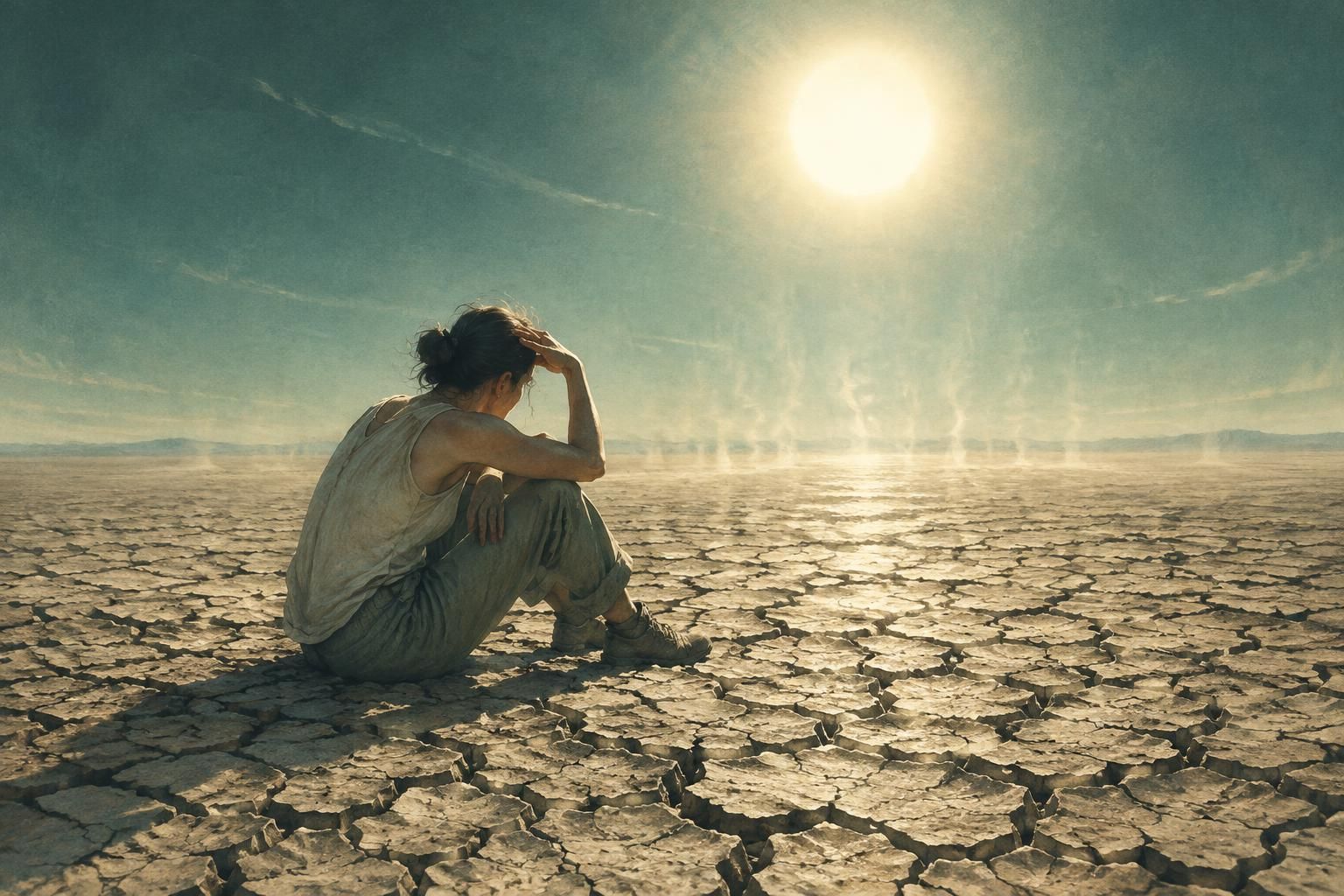
Dreaming of an Extreme Heatwave With No Shelter
A reflective guide to possible meanings. Your own experiences and feelings matter more than any dream dictionary.
KEY TAKEAWAYS
- Heat often mirrors intensity, pressure, or overload
- No shelter can reflect feeling exposed or unsupported
- Your emotions in the dream shape the meaning
- Small details reveal where relief may be missing
A dream about an extreme heatwave with no shelter can feel urgent, draining, and impossible to escape. The image often stands out because it combines two powerful elements: unbearable intensity and the absence of relief. Rather than assuming one fixed meaning, it helps to treat this dream as a reflection of your current inner climate. You may be dealing with pressure, conflict, overwork, emotional exposure, or a situation that feels too intense for too long. The most useful interpretation usually comes from your own associations, the people or places involved, and the exact feeling tone of the dream from beginning to end.
QUICK ANSWER
This dream often points to a part of life that feels overwhelming, exposed, or unsustainable. The extreme heat may reflect stress, anger, urgency, desire, or emotional burnout, while having no shelter can suggest feeling unsupported, trapped in a situation, or unable to find rest. A calm but determined mood gives the dream a different message than panic or despair. Instead of asking what heat means in general, ask where in your life you feel scorched, watched, pressured, or unable to cool down and recover.
Why this dream feels so intense
Dreams of extreme weather often amplify a waking emotional state so you cannot miss it. An unbearable heatwave creates a bodily sense of exhaustion, thirst, and urgency, which can mirror a period when your mental or emotional resources feel strained. If there is no shelter anywhere in sight, the dream may be highlighting not just stress but the fear that stress will continue without relief. The image can point to pressure that has gone on too long, or to a sense that every option feels exposed and uncomfortable.
This kind of dream can also appear when you are trying to function while depleted. You may be meeting responsibilities, answering demands, or keeping up appearances while privately feeling overwhelmed. The dream setting matters: a deserted road, a crowded city, an open field, or your childhood neighborhood each adds a different layer. A familiar place can suggest a recurring pattern, while a strange landscape may reflect uncertainty about how to cope. The intensity does not automatically mean disaster; it often means your inner alarm is asking for attention.
How heat and lack of shelter work together
Heat by itself can suggest intensity of many kinds: stress, conflict, irritability, passion, urgency, shame, or overexposure. Shelter, by contrast, tends to represent pause, protection, privacy, boundaries, comfort, or help. When a dream combines severe heat with no shade, building, or safe place to rest, it can reflect a situation where intensity is high and your usual coping methods are unavailable. You may know what would help in theory, yet feel unable to access it because of time, obligations, pride, or circumstances.
Personal associations are essential here. For one person, heat means summer freedom and vivid energy, so the danger comes mainly from having nowhere to recover. For another, heat recalls headaches, family tension, or physical discomfort, making the dream more directly linked to dread. Think too about what counted as shelter in the dream. Was there truly none, or did possible shelter appear unreachable, locked, crowded, fragile, or refused? Those details can mirror whether support feels absent, conditional, inadequate, or emotionally difficult to accept.
- Open sun with no trees may reflect total exposure
- A locked house can suggest support that feels unavailable
- A broken tent may point to coping tools that are no longer enough
- Seeing shelter far away can mirror hope that still feels out of reach
Let the dream's emotions guide the reading
Two people can dream the same scene and mean very different things because the emotional tone shifts the interpretation. If you felt panic, the dream may reflect fear of collapse, public failure, or being left alone under pressure. If you felt anger, the heat may connect more to frustration, resentment, or a sense that someone expects too much from you. If you felt numb or strangely calm, the dream might be showing how normalized strain has become, which is important in its own way.
Notice also how your emotions changed as the dream unfolded. Did you begin determined and become desperate, or start afraid and become resourceful? Did other people ignore your need, compete for shade, or offer water without protection? These shifts can reveal how you experience support and limits in waking life. Sometimes the most revealing detail is not the heat itself but your response to it: hiding, bargaining, searching, helping others first, or pushing forward despite clear distress. Those patterns may echo how you handle real overwhelm.
Contrasting scenarios to compare with your life
If the dream placed you completely alone in the heat, it may reflect isolation, self-reliance, or the belief that no one else understands what you are carrying. If you were surrounded by people but still had no shelter, the theme may be less about solitude and more about being unsupported even in company. A workplace setting can point toward deadlines, performance pressure, or lack of recovery time. A family setting may lean toward old roles, caregiving strain, or emotional patterns that leave little room for your needs.
The dream may also differ depending on whether you were trying to reach shelter or had stopped believing shelter existed. Searching suggests some hope, even if frustrated. Giving up can indicate exhaustion, cynicism, or a need to admit that your current approach is not working. If you were protecting a child, pet, or vulnerable person in the dream, ask whether a tender part of you needs care in waking life. If someone else refused you shade, consider where boundaries, gatekeeping, or fear of asking for help may be shaping your stress.
- Alone in the heat: burden carried privately
- Crowded but unsheltered: support feels emotionally absent
- Running toward shade: relief is imaginable but blocked
- Protecting someone vulnerable: your care may be going outward before inward
A gentle exercise for reflection and relief
Start by writing the dream in simple sensory terms: where you were, how the air felt, what your body needed, who was present, and whether any shelter appeared. Then write two short lists. In the first, name what currently feels hottest in your life: deadlines, conflict, grief, attention, uncertainty, desire, or constant demands. In the second, name what counts as shelter for you personally: silence, sleep, clear boundaries, one honest conversation, practical help, less screen time, time outdoors, prayer, or creative solitude depending on your beliefs and habits.
Next, ask yourself for one small cooling action rather than a total solution. The goal is not to solve everything the dream touches, but to respond to its message with care. You might postpone one nonessential task, tell someone you need a pause, reduce one source of overstimulation, or create ten quiet minutes with no demands. If the dream connects with severe stress, trauma, or repeated panic, additional support from a trusted person or professional can be a wise form of shelter rather than a last resort.
- Name the hottest pressure
- Define what shelter means for you
- Choose one realistic cooling action
- Treat support as protection, not weakness
QUESTIONS TO REFLECT ON
- Where in my life do I feel overheated, pressured, or emotionally overexposed right now?
- What would shelter look like for me in practical terms, and why might it feel hard to access?
- How did I respond in the dream when relief was missing, and where do I use that same pattern while awake?
- Did the dream feel more like stress, anger, shame, desire, exhaustion, or something else entirely?
Final meaning
A dream about an extreme heatwave with no shelter often reflects an inner or outer situation that feels too intense to sustain without relief. Its message is usually less about a fixed symbol and more about the relationship between pressure and protection in your life. The heat can represent any experience that feels relentless, while the missing shelter points to the absence of rest, boundaries, privacy, or support. Your personal history and emotions matter most. Read the dream as an invitation to notice what is becoming unsustainable and to take seriously your need for cooling, cover, and recovery before strain hardens into hopelessness.
Frequently asked questions
Does this dream always mean burnout?
No. It can reflect burnout, but it may also point to anger, emotional exposure, urgency, conflict, overstimulation, or even intense desire without a safe outlet. The best clue is how the dream felt in your body and what was happening around you. Think of burnout as one possible reading, not the only one.
What if I found water in the dream but still no shelter?
That can suggest partial relief. You may have some coping resources, emotional release, or support, but not enough protection to fully recover. In waking life, this might look like getting through each day while still lacking privacy, boundaries, rest, or a stable sense of safety. The dream may be showing that survival is not the same as restoration.
Could this dream have a spiritual meaning?
For some people, yes, but that depends on personal or cultural belief rather than a universal rule. Some may see heat as purification, testing, exposure of truth, or a call to seek refuge in spiritual practice. Others will understand it in emotional or practical terms. Use any spiritual reading only if it genuinely fits your own worldview and experience.
When should I take a dream like this more seriously?
Take it seriously when it repeats, lingers emotionally, or clearly connects with stress that feels unmanageable. The dream does not predict harm, but it may be accurately reflecting that you need rest, boundaries, or support. If it links with intense anxiety, trauma reactions, or persistent distress, talking with a qualified professional can be a grounded and helpful next step.